Social Media Addiction Lawsuit:
Mental Health Claims

Meta (Facebook/Instagram), TikTok, and other platforms have been linked to serious mental health harm in children and teens. If your child used these platforms heavily and developed depression, anxiety, eating disorders, or self-harm behaviors, you may qualify for compensation.

Quick Facts About the Social Media Addiction Lawsuit

Social media addiction lawsuits are on the rise. They take aim at companies like Meta, Instagram, and Facebook. These platforms face allegations of fostering addictive behavior among users.

The focus of these lawsuits often involves the platform’s design. Specifically, the algorithms and features meant to increase user engagement are under scrutiny. These tools can lead to compulsive use and deteriorate mental health.

Here’s a quick look at the key elements of these lawsuits:

  • National litigation: Hundreds of lawsuits are coordinated in In re: Social Media Adolescent Addiction/Personal Injury Products Liability Litigation (MDL No. 3047) in the Northern District of California.
  • Thousands of cases: More than 2,000 youth social media addiction lawsuits are pending in the MDL and related courts as of early 2026.
  • Core allegation: Platforms are allegedly designed to maximize screen time and encourage addictive use in adolescents, while companies knew about serious mental health risks.
  • Harms at issue: Depression, anxiety, ADHD, body dysmorphia, eating disorders, self-harm, suicidal ideation/attempts, and in some cases wrongful death.
  • You may still qualify: Families can still pursue a social media addiction lawsuit even while bellwether trials and settlements are underway.

FREE Social Media Addiction Lawsuit CASE REVIEW

CALL NOW:  1-866-374-0338

I acknowledge that by submitting this form, I am agreeing to the Terms of Use and Privacy Policy of The Johnson Law Firm. I understand that submission of this form does not create an attorney-client relationship, and that any information I provide will be used to evaluate my potential case. This site is protected by reCAPTCHA and the Google Privacy Policy and Terms of Service apply.

What is Social Media Addiction?

Social media addiction refers to compulsive, excessive use of platforms like Instagram, Facebook, TikTok, Snapchat, and YouTube that interferes with daily life and causes emotional, mental, or physical harm. It goes beyond “normal” use and often includes loss of control over time spent on apps, distress or withdrawal when access is limited, continued use despite worsening mood, grades, or relationships, and prioritizing online life over offline activities. In 2023, the U.S. Surgeon General issued a special advisory warning that social media can pose a “profound risk of harm” to youth mental health.

Lawsuits allege that these platforms are engineered with features such as infinite scroll, auto‑play, algorithmic feeds, likes, and push notifications to keep young users engaged for as long as possible, knowing this can contribute to addiction and mental health problems.

Why Families Are Filing a Social Media Addiction Lawsuit

Internal and whistleblower documents suggest that companies like Meta knew their products could be harmful to teens’ mental health yet continued to deploy and market them aggressively to young users.
NPR on states suing Meta over youth mental health crisis

Children and teenagers are especially vulnerable because their brains and emotional regulation systems are still developing, making it harder to moderate use and cope with intense social comparison and online pressures.

Do You Qualify for a Social Media Addiction Lawsuit?

You may qualify for a social media addiction lawsuit if the following apply to your child (or to you, if you are now an adult but were harmed as a minor):

1. Exposure: Heavy Use of Social Media

  • Used one or more platforms for 3+ hours per day on average (Instagram, Facebook, TikTok, Snapchat, YouTube)
  • Heavy use over an extended period (generally months or years during childhood or adolescence)
  • Significant use of Meta platforms (Instagram/Facebook) and/or TikTok is especially relevant for many claims

2. Age: Under 21

  • Under 21 during the period of heavy social media use
  • Cases often focus on minors (under 18) at the time of the harm
  • A parent or legal guardian must complete intake and act on behalf of minors

3. Diagnosis / Treatment: At Least One Condition

At least one of the following, ideally with professional diagnosis and documented treatment:

  • Depression
  • Anxiety disorder
  • ADHD or serious attention problems
  • Body dysmorphia
  • Eating disorders (anorexia, bulimia, binge eating, or other)
  • Self-harm behaviors (e.g., cutting, burning)
  • Thoughts of self-harm or suicide, suicide attempts, or death by suicide (handled with utmost sensitivity)

Professional diagnosis or treatment from a psychiatrist, psychologist, therapist, counselor, or doctor is strongly preferred, and medical records can strengthen the case.

Preferred Documentation

You do not need to have everything in hand to start a free case review, but the following items are especially helpful:

  • Mental health records: Psychiatric evaluations, therapy or counseling notes, diagnosis letters
  • Treatment records: Medication lists, hospital or residential treatment, intensive outpatient program (IOP) records
  • Screen-time and app-use data: iPhone Screen Time, Android Digital Wellbeing, app usage summaries, downloadable account activity from Instagram, Facebook, TikTok, Snapchat, or YouTube
  • School records: Drop in grades, attendance issues, discipline related to phone/social media use, counselor notes, IEP/504 changes
  • Pediatric/primary care records: Visits documenting mental health concerns or referrals
  • Personal evidence: Journals, texts, emails, or other notes showing distress linked to social media

If you don’t have these yet, a social media addiction lawyer can help request and organize records for a potential lawsuit for social media addiction.

Have you or your loved one been suffered from social media addiction? Get a free case review →

Common Harms and Diagnoses in Social Media Lawsuits

Blurry or distorted vision

Depression:

Persistent sadness, hopelessness, loss of interest in activities, changes in sleep or appetite

Night blindness

Anxiety Disorders

Constant worry, social anxiety worsened by online interactions, panic attacks, strong fear of missing out

Muted or faded colors

ADHD / Attention Problems

difficulty focusing, increased impulsivity, constant need to check feeds or notifications

Difficulty reading

Body Dysmorphia

Obsessive focus on perceived physical flaws, driven by comparison to filtered and edited images

Trouble seeing street signs or traffic lights

Eating Disorders

Restrictive eating, binge/purge behaviors, or obsessive dieting influenced by body-image content

Light sensitivity or halos around lights

Suicidal /
Self-harm Behaviors

Distressing thoughts, planning, or attempts, sometimes following exposure with suicide-related content

These cases are handled with care, discretion, and respect for both minors and their families.

ALERT: If you or someone you know is in immediate crisis or having thoughts of self-harm, please call 988 (Suicide & Crisis Lifeline), text HOME to 741741, or call 911.

Social Media Lawsuit Timeline

This timeline is meant to illustrate how the teen social media addiction lawsuit evolved; it is not a prediction of how long any one case will take.

2004–2016

2004–2016 – Platforms launch and grow

Facebook, Instagram, Snapchat, YouTube, and TikTok (or their predecessors) expand quickly, especially among younger users.
2017–2021

2017–2021 – Internal research and whistleblowers

Internal documents and whistleblower disclosures suggest companies knew their platforms could harm teen mental health, especially body image for teen girls on Instagram.
2022

2022 – Federal MDL formed

The Judicial Panel on Multidistrict Litigation creates MDL No. 3047, consolidating social media addiction cases in the Northern District of California.
2023–2025

2023–2025 – Cases grow and key rulings

Hundreds of individual cases and governmental suits (including school districts and state attorneys general) are filed; courts allow many negligence and product-defect claims to proceed.
2026

2026 – First trials and settlements

TikTok reaches a settlement in a bellwether social media addiction case involving a young California user; trial proceeds against other defendants in state court, while federal MDL cases continue toward bellwether trials.

Harmed by Social Media?

Litigation is active and ongoing; additional claims are still being evaluated and filed.

With over 30 years of experience and more than $100 million recovered, The Johnson Law Firm stands up to large corporations on behalf of individuals and families. We’re proud to represent clients across the U.S. in cases involving serious harm from dangerous products and technologies.

Real Results From Real Clients

“I was amazed with the results that JLF achieved for me.  I wasn’t expecting anything like that, but it was just awesome.  They just went to bat for me and accomplished quite a bit.  I was just really blown away by the results.”
Julie

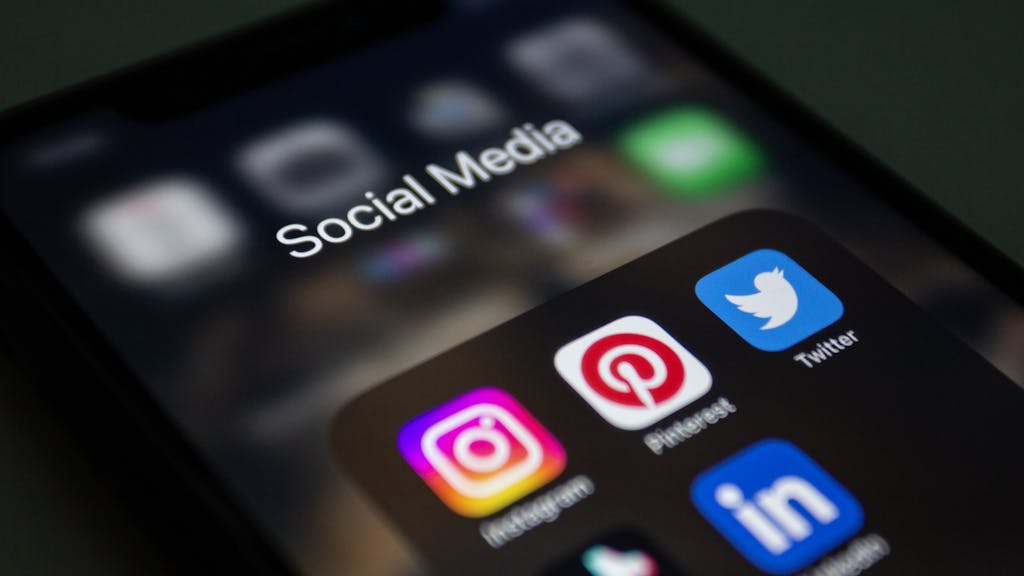
A smartphone screen displaying popular social media addiction lawsuit applications like Instagram and Twitter.

How a Social Media Addiction Lawsuit Works

A social media addiction lawsuit follows a series of clear steps designed to evaluate your case, build evidence, and pursue compensation on your behalf. The process is structured so families can move forward without paying upfront legal fees.

  • Free Case Review: You share basic details about your child’s age, platforms used, average daily social media use, and any mental health diagnoses, and the intake team checks whether your situation meets the general criteria for a potential social media addiction lawsuit at no cost or obligation to you.
  • Attorney Review and Record Collection: A social media addiction lawyer reviews the facts more closely, explains your options, and—if you move forward-helps you gather medical, therapy, school, and device records, using signed authorizations to request information on your behalf.
  • Filing Your Case: If your case is accepted, the firm drafts and files a lawsuit in the appropriate court, and many federal cases are then transferred into MDL No. 3047, where similar social media adolescent addiction lawsuits are coordinated while you remain an individual plaintiff with your own claim.
  • Discovery: Both sides exchange evidence such as documents, written responses, and depositions, some families may provide sworn testimony, and expert witnesses can review medical history and social media use to help support the link between the platforms and the injuries.
  • Bellwether Trials and Negotiations: A small number of representative “bellwether” cases go to trial first to see how juries respond to the evidence, and their outcomes often inform settlement negotiations for the broader group of cases in the social media lawsuit.
  • Settlement or Trial: Many cases resolve through negotiated settlements where individual offers are evaluated based on each plaintiff’s circumstances, while others may proceed toward trial where a jury decides liability and damages, and throughout the process most firms work on a contingency fee basis so you typically pay no upfront fees and only owe a fee if there is a recovery.

While timelines can vary, your legal team will keep you informed at each stage so you understand what is happening and what, if anything, is needed from you. The goal is to handle the legal work so your family can stay focused on healing and ongoing care.

FAQ: Social Media Addiction Lawsuit

It is a legal claim against companies like Meta (Facebook and Instagram), TikTok, Snapchat, and YouTube alleging that their platforms are defective and unreasonably dangerous because they are designed to promote addiction and cause mental health harm in young users.

Potential plaintiffs generally:

  • Used one or more major platforms heavily (often 3+ hours/day) as a child or teenager
  • Were under 21 at the time of the harmful use, with a focus on minors
  • Developed a serious mental health condition, such as depression, anxiety, ADHD, eating disorders, self-harm behaviors, or suicidality
  • Received diagnosis or treatment from a healthcare professional

Eligibility is fact‑specific; a free consultation can help determine if a case fits current criteria.

Yes. For minors, a parent or legal guardian must typically initiate the claim, provide information in the intake process, and sign any necessary documents. In some situations, claims can also be brought for young adults whose injuries began when they were still minors.

Most firms handling a lawsuit for social media addiction work on a contingency fee basis:

  • No upfront attorney fees
  • The firm advances case costs (filing fees, record requests, experts)
  • The firm is paid a percentage of any settlement or verdict
  • If there is no recovery, you typically owe no attorney fee

You should review the specific fee terms in your representation agreement.

Timelines vary. Some cases may resolve within a few years, especially as bellwether trials occur and settlement discussions develop, while others may take longer.

Most current cases involve:

  • Instagram and Facebook (Meta)
  • TikTok
  • Snapchat (Snap)
  • YouTube (Google/Alphabet)

Other platforms may be considered on a case‑by‑case basis depending on use and harm.

You should not let missing records stop you from requesting a free case review. Many families start without perfect documentation. A social media addiction lawsuit attorney can help.

Wrongful death and severe self-harm cases may be part of social media addiction litigation, depending on the facts and applicable law. These cases are handled with particular care and sensitivity. Families are encouraged to seek both legal guidance and mental health support.

Consultations with a social media addiction lawsuit attorney are generally confidential, and law firms take privacy seriously, especially regarding minors and mental health records. Courts may use initials or other measures to protect identities in filings.

Most youth social media harm cases are part of a mass tort MDL, not a traditional class action. Each plaintiff keeps an individual claim and damages assessment, but cases share coordinated pretrial discovery and legal rulings.

Ready for Your Free Social Media Addiction Lawsuit Case Review?

If your child (or you, if now an adult) suffered serious mental health harm after years of heavy use of Instagram, Facebook, TikTok, Snapchat, or YouTube, a social media addiction lawsuit may help your family seek accountability and compensation.

I acknowledge that by submitting this form, I am agreeing to the Terms of Use and Privacy Policy of The Johnson Law Firm. I understand that submission of this form does not create an attorney-client relationship, and that any information I provide will be used to evaluate my potential case. This site is protected by reCAPTCHA and the Google Privacy Policy and Terms of Service apply.

Trusted nationwide. Thousands of clients. Millions recovered. No fees unless we win.